




Readiness Is the Real Measure of Defense Aviation Support
Defense aviation has a simple way of exposing weakness. Not loudly. Not always at once. But eventually. A missing part becomes a grounded aircraft. A staffing gap becomes a delayed check. A modification program slips. A maintenance window stretches. A mission timeline gets tighter while the support structure behind it gets tested from every direction.
That’s the reality of military aviation support. It’s not theoretical. It’s not clean. It’s not built around perfect conditions. It’s built around pressure. And in that environment, readiness becomes the only metric that really matters. Not the brochure language. Not the size of the logo on the hangar. Not the speech someone gives from a stage. Readiness. Can the aircraft move? Can the work be done? Can the right people, parts, tooling, facilities, approvals and technical expertise come together at the moment they’re needed? That’s the question.
It’s also where STS Aviation Group has built its place in the defense aviation market. For years, STS has been known across commercial aviation for maintenance, engineering, workforce management, component support, engine services, aircraft interiors and rapid response solutions. Those capabilities matter. But in defense aviation, they matter differently. The stakes change. The timelines tighten. The definition of support expands. A military aircraft isn’t just an asset on a schedule. It’s part of a larger operational picture. It supports surveillance, mobility, training, command and control, national security, allied cooperation and humanitarian response. Sometimes all of those things at once. So the support behind it can’t be fragmented. It has to be connected.
That’s the story STS Aviation Group is telling through its defense operations. Not a new story invented for a market category. A real story built from the company’s existing infrastructure, sharpened through experience and organized under one global aviation brand. The mission is straightforward. Support military and government aviation operators with the same operational discipline STS brings to commercial aviation, then tailor that support around the unique demands of defense programs.
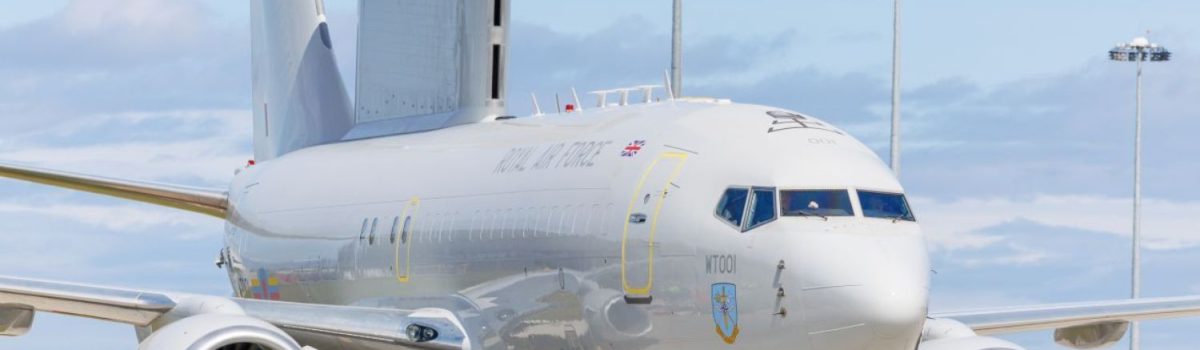
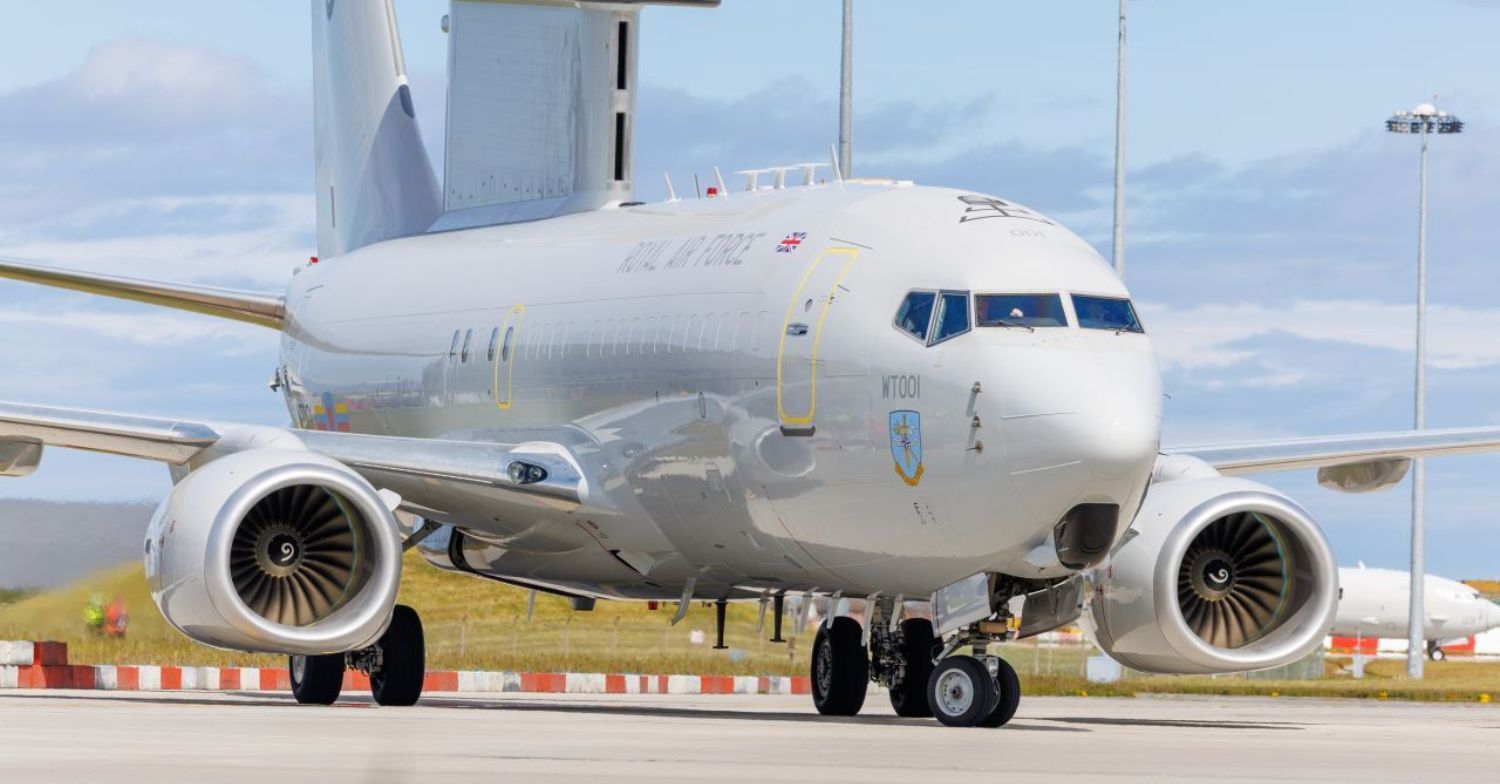
That work is already happening. In Birmingham, United Kingdom, STS Aviation Group operates a dedicated defense facility supporting critical military aircraft programs, including work tied to the E 7 Wedgetail. This isn’t commercial overflow. It’s not a side room inside a larger maintenance operation. It’s a focused defense environment with teams supporting complex modification and integration work tied to one of the United Kingdom’s most important future air capabilities. That matters because defense aircraft don’t simply need maintenance. They need program support. They need engineering judgment. They need modification experience. They need production discipline. They need people who understand how to work inside the structure of long-term, high-consequence aviation programs.
STS has that foundation. And it’s not limited to one facility. Across the larger organization, STS Aviation Group brings together a deep bench of aviation services that can support defense operators at multiple points of need. Heavy maintenance. Line maintenance. Aircraft modifications. Engineering solutions. Component distribution. Engine support. Interior services. Workforce solutions. Mobile response. On their own, each capability has value. Together, they become something bigger. They become a support platform.
That’s the important distinction. Defense aviation doesn’t need vendors lined up in separate lanes, each waiting for someone else to solve the next problem. It needs partners that can see the whole aircraft, understand the operational stakes and move across disciplines without making the customer stitch everything together from scratch. That’s where STS is different. The company’s defense story isn’t built around one service line. It’s built around integration. Around the idea that aircraft readiness depends on more than maintenance alone.
It depends on labor. Can you get skilled technicians where they need to be? It depends on materials. Can you source and move critical parts fast enough to protect the schedule? It depends on engineering. Can you solve the technical problem without creating three new ones? It depends on facilities. Can the aircraft be supported in the right environment, under the right approvals, with the right teams? It depends on leadership. Can someone own the outcome when the work gets complicated?
That’s what STS Aviation Group’s defense operations are designed to do. By organizing its military aviation capabilities under one unified structure, STS Aviation Group has created a clearer, stronger way to support defense customers around the world. That focus matters because the defense market doesn’t reward confusion. It rewards clarity. It rewards accountability. It rewards teams that know what they’re good at and can prove it under pressure.
STS isn’t trying to be everything to everyone. That would be a mistake. The company’s strength is practical. It sits in the hard, necessary space between aircraft operators, maintenance requirements, workforce demand, material movement, engineering complexity and mission timelines. That space is rarely glamorous. It’s also where readiness is won or lost.
A defense aircraft can have world-class technology on board and still be useless if it can’t fly. It can have the right mission profile and still sit idle because a check is delayed, a modification is incomplete or a supply chain issue has gone unresolved. It can be strategically important and still depend on the quiet work of technicians, engineers, planners, buyers, inspectors and program leaders who make sure the aircraft is ready when called. That’s the work.
STS understands that work because it has lived inside aviation’s operational reality for decades. Commercial aviation taught the company how to move fast without losing control. Global line maintenance taught it how to support aircraft across time zones, stations and regulatory environments. Base maintenance taught it how to manage complex inputs over long visits. Engineering taught it how to solve with precision. Component support taught it that the best technical plan still fails without the right material. Workforce solutions taught it that talent isn’t a side issue. It’s the issue. Defense aviation brings those lessons into a sharper frame.
The customer need is different, but the underlying truth remains the same. Aircraft don’t stay ready by accident. They stay ready because experienced people build systems around them. They stay ready because support teams anticipate failure points before they become mission problems. They stay ready because the work is planned, staffed, supplied, documented and executed with discipline.
That’s what STS Aviation Group brings to defense aviation. Not noise. Not overstatement. Capability. The kind that shows up in hangars. On flight lines. Inside engineering reviews. Across supply chains. During modification programs. At the exact moment when delay isn’t just inconvenient, but unacceptable.
The defense aviation market will continue to evolve. Fleets will age. New platforms will enter service. Technology will become more complex. Sustainment demands will increase. Skilled labor will remain difficult to find. Operators will continue looking for partners who can bring order to a demanding environment. STS Aviation Group is built for that environment.
Through its defense operations and the broader strength of its global aviation network, STS Aviation Group is positioned to support military and government operators with the one thing every mission depends on before it ever begins. Readiness. Because in defense aviation, that’s the measure. Not what you say you can do. What you can keep flying.