EnglishFrenchSpanishGermanChinese (Simplified)

Readiness Is the Real Measure of Defense Aviation Support

Defense Aviation Support and Aircraft Readiness

Defense aviation has a simple way of exposing weakness. Not loudly. Not always at once. But eventually. A missing part becomes a grounded aircraft. A staffing gap becomes a delayed check. A modification program slips. A maintenance window stretches. A mission timeline gets tighter while the support structure behind it gets tested from every direction.

That’s the reality of military aviation support. It’s not theoretical. It’s not clean. It’s not built around perfect conditions. It’s built around pressure. And in that environment, readiness becomes the only metric that really matters. Not the brochure language. Not the size of the logo on the hangar. Not the speech someone gives from a stage. Readiness. Can the aircraft move? Can the work be done? Can the right people, parts, tooling, facilities, approvals and technical expertise come together at the moment they’re needed? That’s the question.

It’s also where STS Aviation Group has built its place in the defense aviation market. For years, STS has been known across commercial aviation for maintenance, engineering, workforce management, component support, engine services, aircraft interiors and rapid response solutions. Those capabilities matter. But in defense aviation, they matter differently. The stakes change. The timelines tighten. The definition of support expands. A military aircraft isn’t just an asset on a schedule. It’s part of a larger operational picture. It supports surveillance, mobility, training, command and control, national security, allied cooperation and humanitarian response. Sometimes all of those things at once. So the support behind it can’t be fragmented. It has to be connected.

That’s the story STS Aviation Group is telling through its defense operations. Not a new story invented for a market category. A real story built from the company’s existing infrastructure, sharpened through experience and organized under one global aviation brand. The mission is straightforward. Support military and government aviation operators with the same operational discipline STS brings to commercial aviation, then tailor that support around the unique demands of defense programs.

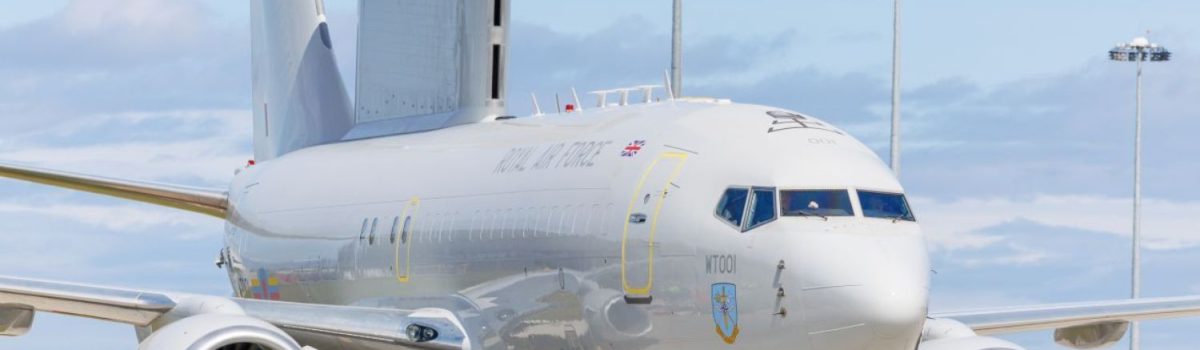
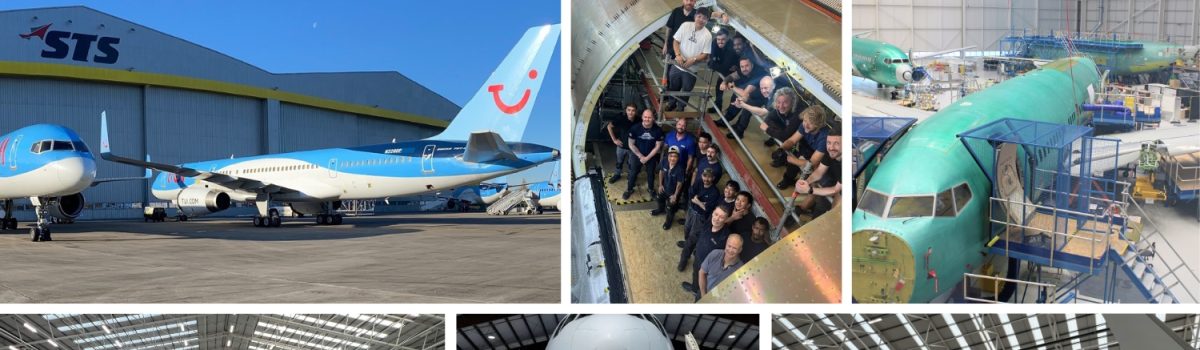
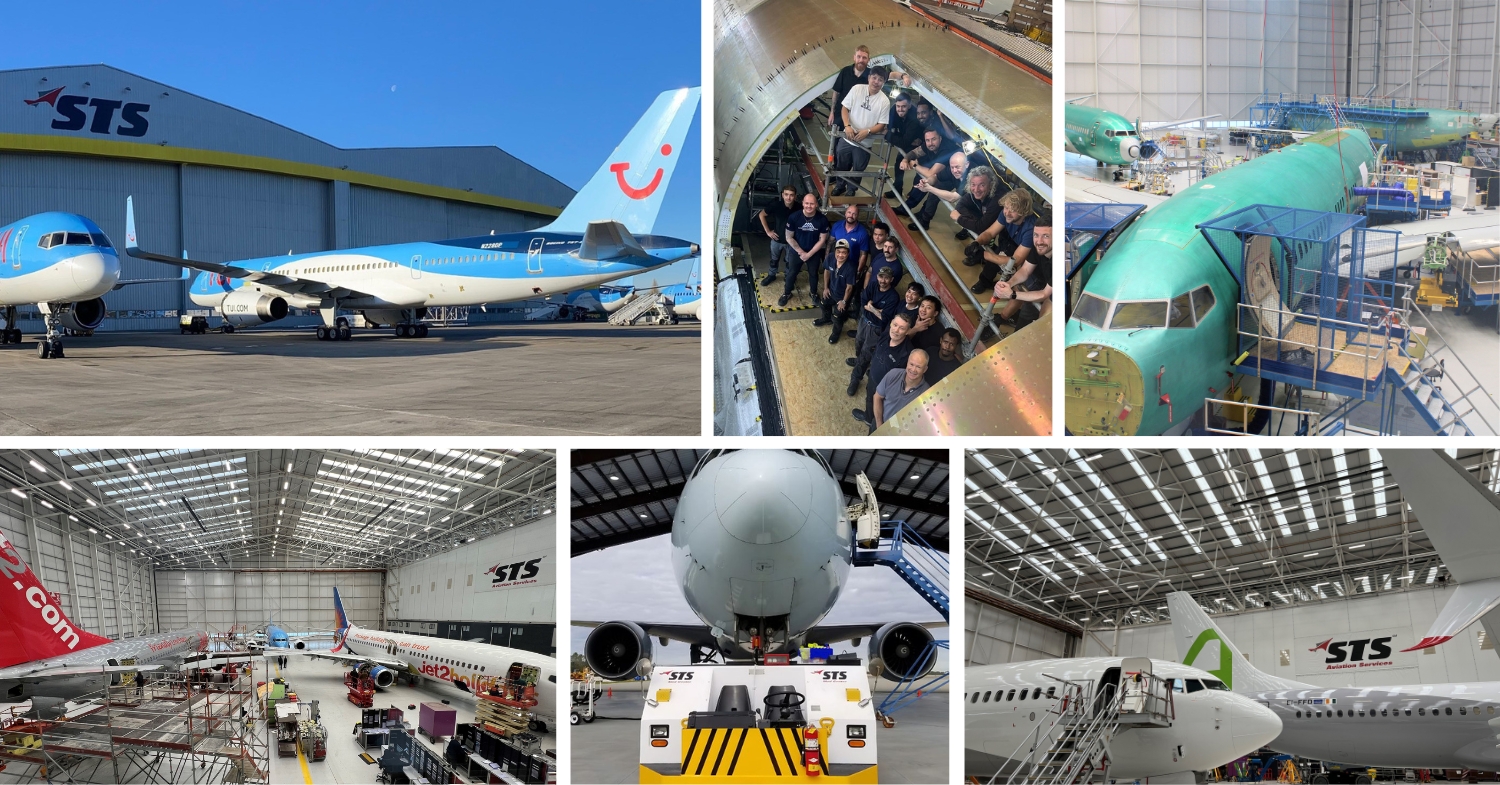
That work is already happening. In Birmingham, United Kingdom, STS Aviation Group operates a dedicated defense facility supporting critical military aircraft programs, including work tied to the E 7 Wedgetail. This isn’t commercial overflow. It’s not a side room inside a larger maintenance operation. It’s a focused defense environment with teams supporting complex modification and integration work tied to one of the United Kingdom’s most important future air capabilities. That matters because defense aircraft don’t simply need maintenance. They need program support. They need engineering judgment. They need modification experience. They need production discipline. They need people who understand how to work inside the structure of long-term, high-consequence aviation programs.

STS has that foundation. And it’s not limited to one facility. Across the larger organization, STS Aviation Group brings together a deep bench of aviation services that can support defense operators at multiple points of need. Heavy maintenance. Line maintenance. Aircraft modifications. Engineering solutions. Component distribution. Engine support. Interior services. Workforce solutions. Mobile response. On their own, each capability has value. Together, they become something bigger. They become a support platform.

That’s the important distinction. Defense aviation doesn’t need vendors lined up in separate lanes, each waiting for someone else to solve the next problem. It needs partners that can see the whole aircraft, understand the operational stakes and move across disciplines without making the customer stitch everything together from scratch. That’s where STS is different. The company’s defense story isn’t built around one service line. It’s built around integration. Around the idea that aircraft readiness depends on more than maintenance alone.

It depends on labor. Can you get skilled technicians where they need to be? It depends on materials. Can you source and move critical parts fast enough to protect the schedule? It depends on engineering. Can you solve the technical problem without creating three new ones? It depends on facilities. Can the aircraft be supported in the right environment, under the right approvals, with the right teams? It depends on leadership. Can someone own the outcome when the work gets complicated?

That’s what STS Aviation Group’s defense operations are designed to do. By organizing its military aviation capabilities under one unified structure, STS Aviation Group has created a clearer, stronger way to support defense customers around the world. That focus matters because the defense market doesn’t reward confusion. It rewards clarity. It rewards accountability. It rewards teams that know what they’re good at and can prove it under pressure.

STS isn’t trying to be everything to everyone. That would be a mistake. The company’s strength is practical. It sits in the hard, necessary space between aircraft operators, maintenance requirements, workforce demand, material movement, engineering complexity and mission timelines. That space is rarely glamorous. It’s also where readiness is won or lost.

A defense aircraft can have world-class technology on board and still be useless if it can’t fly. It can have the right mission profile and still sit idle because a check is delayed, a modification is incomplete or a supply chain issue has gone unresolved. It can be strategically important and still depend on the quiet work of technicians, engineers, planners, buyers, inspectors and program leaders who make sure the aircraft is ready when called. That’s the work.

STS understands that work because it has lived inside aviation’s operational reality for decades. Commercial aviation taught the company how to move fast without losing control. Global line maintenance taught it how to support aircraft across time zones, stations and regulatory environments. Base maintenance taught it how to manage complex inputs over long visits. Engineering taught it how to solve with precision. Component support taught it that the best technical plan still fails without the right material. Workforce solutions taught it that talent isn’t a side issue. It’s the issue. Defense aviation brings those lessons into a sharper frame.

The customer need is different, but the underlying truth remains the same. Aircraft don’t stay ready by accident. They stay ready because experienced people build systems around them. They stay ready because support teams anticipate failure points before they become mission problems. They stay ready because the work is planned, staffed, supplied, documented and executed with discipline.

That’s what STS Aviation Group brings to defense aviation. Not noise. Not overstatement. Capability. The kind that shows up in hangars. On flight lines. Inside engineering reviews. Across supply chains. During modification programs. At the exact moment when delay isn’t just inconvenient, but unacceptable.

The defense aviation market will continue to evolve. Fleets will age. New platforms will enter service. Technology will become more complex. Sustainment demands will increase. Skilled labor will remain difficult to find. Operators will continue looking for partners who can bring order to a demanding environment. STS Aviation Group is built for that environment.

Through its defense operations and the broader strength of its global aviation network, STS Aviation Group is positioned to support military and government operators with the one thing every mission depends on before it ever begins. Readiness. Because in defense aviation, that’s the measure. Not what you say you can do. What you can keep flying.
Contact STS’ Defense Team

Aircraft Base Maintenance Is a Test of Operational Control

Global Aircraft Base Maintenance Services STS Aviation Group

Aircraft base maintenance has changed.

Not the work itself. The work is still hard. Still technical. Still unforgiving. But the pressure surrounding it has intensified. Airlines are being pushed to do more with aging fleets while delivery delays, labor shortages, operational disruptions, and tighter maintenance windows continue stacking on top of each other across the global aviation industry.

That pressure lands inside the hangar.

Which is why operators are paying far closer attention to who they trust with their aircraft, how those facilities are structured, and whether the teams managing the event actually understand the operational consequences attached to every additional day on the ground.

At STS Aviation Group, aircraft base maintenance is not treated as isolated hangar work. It is part of a broader operational ecosystem built to support airlines, lessors, OEMs, military organizations, and aviation operators across the United States and the United Kingdom through integrated maintenance, engineering, modification, structures, avionics, and rapid response support services.

And scale matters.

In Melbourne, Florida, STS Aviation Group operates more than 120,000 square feet of aircraft maintenance and modification space at Orlando Melbourne International Airport. The facility supports major and minor aircraft repairs, avionics modifications, inflight connectivity installations, structural repairs, A Check and C Check maintenance, non destructive testing, large radome installations, systems diagnostics, and fiber optic installations. On site DER support further strengthens the operation’s ability to handle complex engineering and modification requirements without forcing operators to coordinate disconnected vendors across multiple organizations.

In the United Kingdom, STS Aviation Group continues expanding one of the most capable independent MRO footprints in the region.

Manchester represents a major part of that strategy. Opened in 2022, the facility features more than 245,000 square feet of working space with full 360 degree aircraft circulation, direct runway access, and capacity for up to six narrowbody aircraft simultaneously. Positioned at one of the busiest regional airports in the UK outside London, the operation supports Boeing, Airbus, Embraer, and Bombardier aircraft across both legacy and next generation fleets. Services include heavy maintenance, structural repairs, avionics modifications, entry into service programs, lease return support, inflight connectivity installations, and systems diagnostics.

Birmingham serves a different mission entirely.

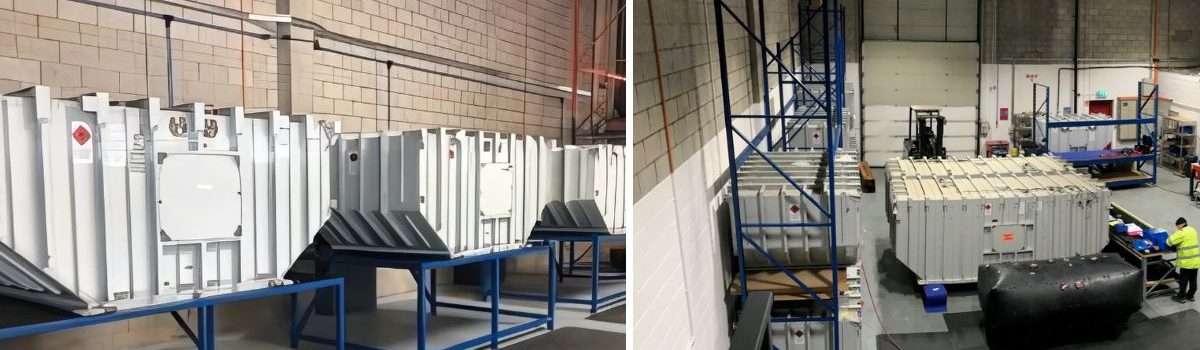
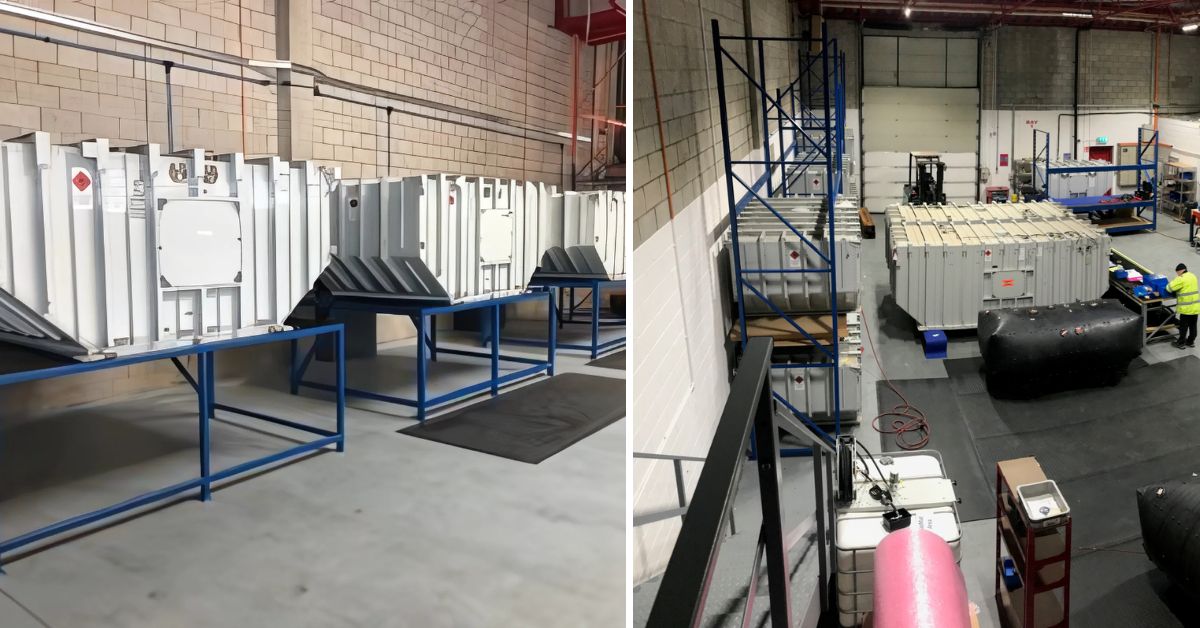
The facility is dedicated to military and defense aircraft maintenance operations, supporting highly specialized programs where operational readiness, security, and execution standards carry an entirely different level of scrutiny. The operation was purpose built to support complex defense maintenance activity at scale with approximately 200,000 square feet of working space and capacity for two widebody aircraft or up to ten narrowbody aircraft simultaneously. Integrated back shops, component repair capabilities, vertical lift storage systems, mobile technician workstations, and centralized operational reporting infrastructure support a maintenance environment designed around disciplined execution. Structural repairs, modifications, transition work, engine changes, storage programs, and rapid operational support all exist within a tightly controlled framework built specifically for defense operations.

Then there is Newquay.

Operators understand the value of flexibility, especially when maintenance demand shifts unexpectedly or aircraft require longer term positioning. The Newquay operation supports line maintenance, base maintenance, modifications, aircraft storage, teardown and recycling programs, structural repairs, AOG support, and engine preservation services from one strategically positioned location in Cornwall. The facility was built around adaptability because modern fleet management rarely follows a clean script anymore.

And that is really the larger point.

Aircraft base maintenance is no longer just about technical capability. Every major MRO can claim technical capability. Operators are looking deeper now. They are evaluating responsiveness, integration, communication structure, engineering access, operational flexibility, workforce stability, and whether the organization managing the aircraft can actually adapt when the maintenance event inevitably changes shape midway through execution.

Because it usually does.

A scheduled heavy check becomes a structural event. A cabin modification expands into engineering work. A delayed part impacts a return to service timeline. The ability to absorb those variables without losing operational control is what separates stable maintenance partners from transactional vendors.

That is where STS Aviation Group continues strengthening its position.

Not through inflated marketing language. Through infrastructure. Through geographic reach. Through integrated support capabilities tied directly into active maintenance operations. Through facilities designed around real operational pressure instead of presentation slides.

Airlines remember whether the aircraft returned on time. Defense operators remember whether readiness stayed intact. Lessors remember whether transitions stayed controlled. Operators remember whether communication stayed honest when the plan changed.

That is the real business.

And that is exactly why aircraft base maintenance still matters more than most people outside this industry realize.

Contact Our MRO Team

ACT Services in Shannon, Ireland

ACT Services in Shannon, Ireland Where Control Replaces Complexity (1)

The Work That Keeps Aircraft Moving

There is a part of aircraft maintenance that never gets talked about because no one outside the operation ever sees it. It lives inside the fuel system, buried in tight spaces, handled by people who know exactly what’s at stake every time a tank is opened. This is not routine work. It is precise, controlled, and unforgiving. And when it goes wrong, everything stops. So the question is simple. When your auxiliary center tank needs attention, who do you trust to handle it from start to finish without introducing more risk, more delays, or more noise?

Built for ACT Work in Shannon, Ireland

At STS Aviation Services in Shannon, Ireland, the answer is not layered in marketing language. It is built into how the work is done. This facility exists for a reason. It is designed to handle ACT tanks from end to end across all major fuel cell and bladder configurations, without fragmentation and without handoffs. Fuel cell and bladder repair. Structural work. Systems maintenance. NDT. Service bulletin embodiment. Every critical element of ACT inspection and repair lives inside one controlled environment, handled by teams who do this work every day. So ask yourself this. How many vendors do you currently need to touch one ACT event, and how many opportunities does that create for delay?

Control Changes Everything

Certifications are there because they have to be. EASA and FAA dual release. CAA Form 1 out of Shannon. That is the baseline. The real advantage is control. Control of the work. Control of the timeline. Control of the outcome. Fixed pricing removes guesswork. Turnkey execution removes friction. Fast track options exist when the clock is working against you. But none of that matters if the work is not aligned from start to finish. Here, it is. And that changes how the entire event unfolds.

When It Cannot Wait

Then there is the part no one plans for. AOG. When it hits, capability on paper means nothing. Response is everything. STS deploys ACT specialists globally, backed directly by the Shannon workshop, engineering, and spares pipeline. On wing support is not a temporary fix. It is a connected extension of the same team that will remove, repair, reinstall, and test the unit if required. So the question becomes sharper. When your aircraft is down, do you want updates, or do you want resolution?

Removing the Noise

There is a line most people read past. Provide a date and location. We will handle the rest. That is not a tagline. That is the model. Removal. Crating. Transport. Workshop repair. Reinstallation. Storage and preservation if needed. Every step accounted for, owned by one team, with no gaps in between. Because the real cost in ACT work is not the repair itself. It is the time lost managing everything around it. How much of your current process is built on coordination instead of execution, and what is that actually costing you?

What This Really Comes Down To

This is not about tanks. It is about trust. About knowing that when critical systems are opened, they are handled by people who understand the margin for error is zero. Shannon gives STS Aviation Services a dedicated ACT capability in Europe that is built for focus, not volume for the sake of it. So if your current approach feels heavier than it should, or slower than it needs to be, it is worth asking why. And more importantly, what it would look like if it was not.

Contact Our Team

STS Aviation Group Earns Authorization as Repair Station for MarathonNorco Aerospace Hold Open Rods

STS Aviation Group Authorized as MarathonNorco Repair Station (1)

STANSTED, United Kingdom (April 21, 2026) — STS Aviation Group (STS) has been named an authorized repair station for MarathonNorco Aerospace, supporting repair of hold open rods used on fan cowls and thrust reversers across commercial aircraft platforms.

The capability will be housed within STS Aviation Group’s engine facility in the United Kingdom, where teams will support operators across the region. The authorization adds targeted repair capability and strengthens STS’s overall service offering.

This authorization also expands STS Aviation Group’s existing agreement with MarathonNorco Aerospace, where STS serves as the exclusive distributor across North America, South America, and EMEA.

Hold open rods play a critical role in maintaining safe access to engine components during maintenance operations. By bringing this repair capability in-house, STS provides operators with a reliable option for inspection, repair, and return-to-service, helping reduce turnaround times and keep aircraft moving.

“This is the kind of capability expansion that directly supports our customers,” said Tim Russo, President of STS Aviation Group’s material services division. “We are focused on building practical solutions that improve access, reduce delays, and strengthen the support network operators rely on every day. Adding this authorization allows us to do exactly that.”

“Selecting STS Engine Services as an OEM Authorized Repair Station extends MarathonNorco’s OEM-approved aftermarket capability and expands our reach across European and global MRO markets,” said Kyle Kimel, Business Unit Manager of MarathonNorco Aerospace. “STS brings proven technical expertise and the operational rigor across their portfolio of STS Aviation Services divisions needed to deliver OEM-aligned support to operators around the world.”

As demand for responsive, regionally supported repair services continues to grow, STS Aviation Group is expanding its repair capabilities in ways that directly support operators and reduce downtime across the global fleet.

About STS Aviation Group

STS Aviation Group is a global leader in aviation services, providing nose-to-tail solutions that keep aircraft flying safely and efficiently. Headquartered in Jensen Beach, Florida, STS offers a full suite of services including aircraft maintenance, engineering, workforce management, and material support through its family of companies.

Media Contact

Bryan Shaw

Chief Marketing Officer
1 800-800-2400 ext. 8521
[email protected]

What Comes After Service Is Not a Question. It Is a Decision.

SkillBridge Opportunities for Transitioning Service Members at SOF Week (1)

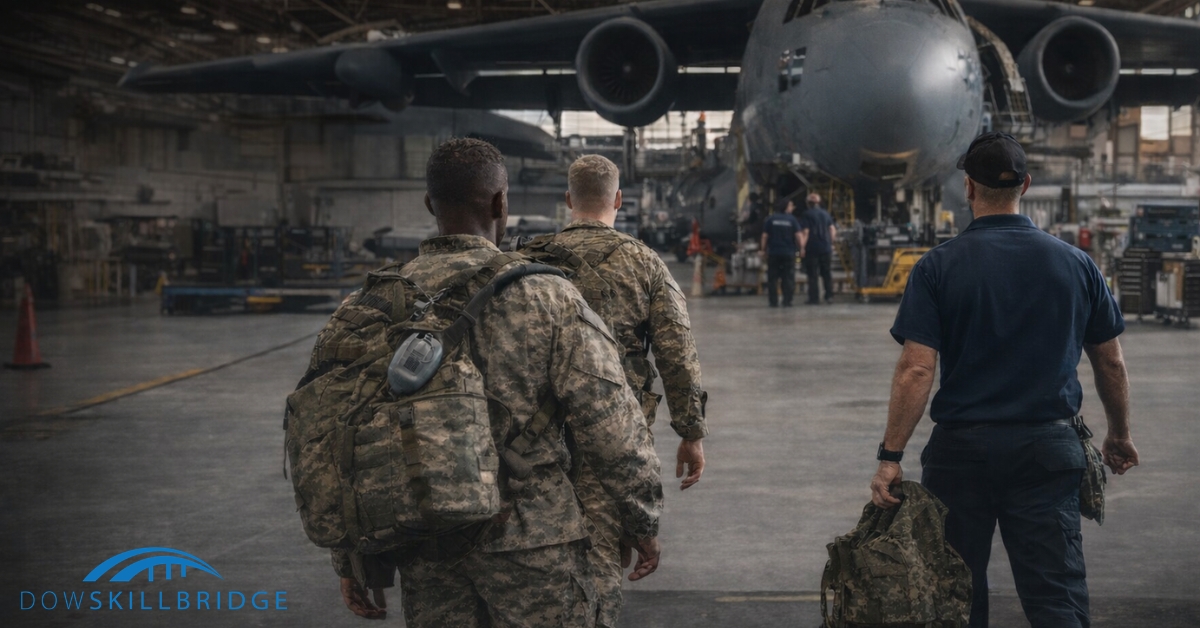
There is a point in every military career where the structure that has always been there starts to fade. Not all at once. Not dramatically. Just enough to notice. The mission is still there, the expectations are still high, but the timeline begins to shift, and with it comes a question most people are not trained to answer. What comes next?

For a lot of service members, that question carries more weight than it should. Not because the options are not there, but because the translation is not always clear. Years of operating in high-stakes environments, solving problems under pressure, leading teams when the outcome matters, and yet somehow the civilian world reduces that experience to a line on a resume and calls it a transition.

It is not a transition. It is a repositioning.

At STS Aviation Group, we work with professionals who already understand what accountability looks like when there is no room for error. Aircraft do not wait. Teams do not guess. The job gets done right, or it does not get done at all. That mindset does not need to be rebuilt. It needs to be redirected.

From May 18 to May 21, our team will be at SOF Week in Tampa, meeting with service members who are starting to think about what comes after the uniform. Not to hand out generic career advice or push a program for the sake of it, but to have real conversations about where your experience fits in an industry that still runs on precision, discipline, and trust.

We are also developing our Department of Defense SkillBridge program to create a direct path into aviation and defense roles where your background is not just relevant, it is expected. The goal is simple. Remove the guesswork. Create a clear line between what you have done and where you can go next.

If you are attending SOF Week, find us. If you are not there yet, start thinking about it now. Because the next phase of your career does not begin when you leave the military. It begins when you decide you are not going to leave it to chance.

Planning to Attend SOF Week?

If you are a transitioning service member interested in learning more about STS Aviation Group’s upcoming SkillBridge program or aviation career opportunities, complete the form below and a member of our team will follow up.

Your Next Move

STS Aviation Group Earns Cigna Healthy Workforce Designation

Cigna Healthy Workforce (2)

Recognition only matters if it reflects something real.

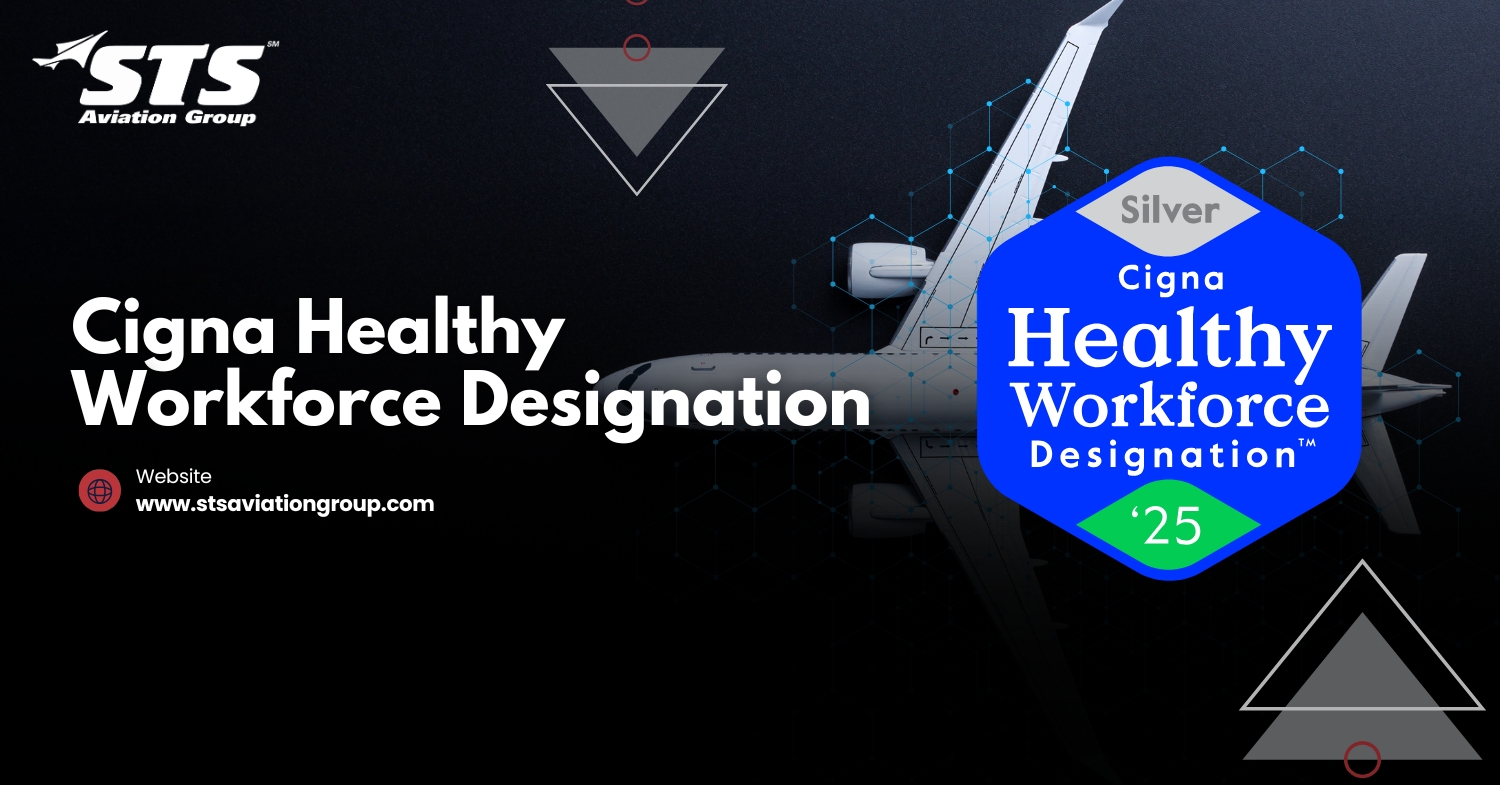
STS Aviation Group was recently awarded the silver level Cigna Healthy Workforce Designation. It signals a commitment to employee well-being. It reflects that programs, resources, and support systems are in place to help people stay healthy, engaged, and productive.

That matters.

But it’s not the whole story.

Culture is not built through applications or external evaluations. It’s built in the day to day. In the work. In the way teams show up for each other. In how people are supported when the pace picks up and the pressure is real.

The recognition itself is based on how organizations approach well-being across their workforce, from strategy and engagement to the resources made available to employees. It’s a structured way of evaluating something that is often hard to measure.

And while that validation has value, it only means something if the experience behind it is real.

Across STS, the work is demanding. The environments are fast-paced. The expectations are high. Supporting the people doing that work is not optional. It’s necessary.

Efforts around employee well-being play a role in that. Access to programs, resources, and support systems matters. It impacts performance. It impacts retention. It shapes how teams operate day in and day out.

This designation reflects that those efforts exist.

It also reinforces something simple. When people feel supported, they perform at a higher level. They stay engaged. They take ownership of the work in front of them.

That’s good for employees, and it’s good for the business.

At STS Aviation Group, the focus remains the same. Build an environment where people can do their best work, grow in their careers, and contribute to something that matters.

If that’s done well, recognition will follow.

And when it does, it should reflect the reality behind the work.

STS Aviation Group Heads to AIX 2026 in Hamburg

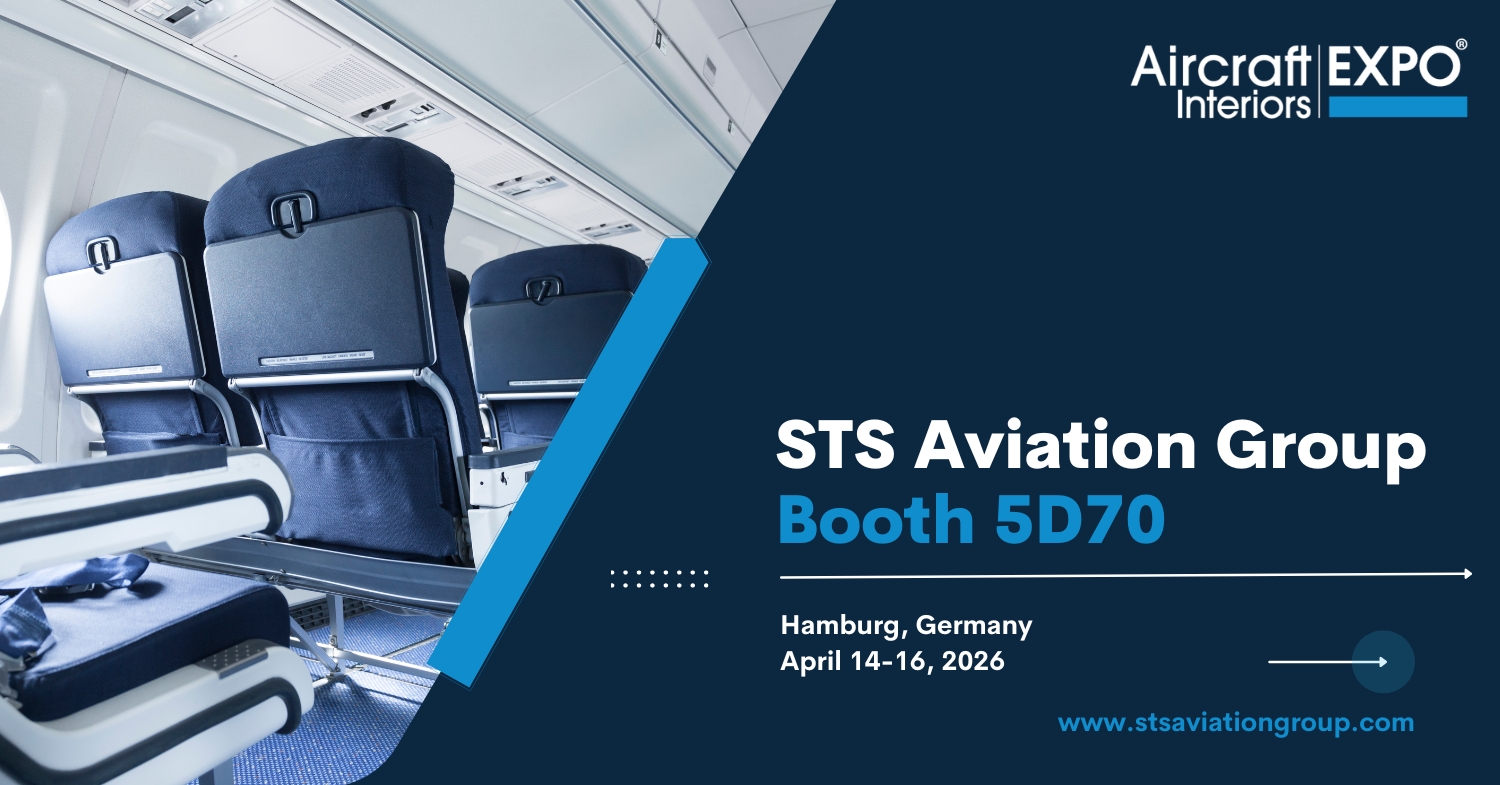
AIX Email Banner 2026

The global aviation interiors community will gather once again in Hamburg this spring, and STS Aviation Group will be right in the middle of it. From April 14 to April 16, 2026, our team will be on the floor at Aircraft Interiors Expo (AIX), ready to connect with airlines, OEMs, and MRO leaders shaping the future of passenger experience.

If you are attending the show, make sure to stop by Stand 5D70 and meet the people behind the solutions that keep fleets looking sharp and performing at their best.

Where Aircraft Interiors Meet Real-World MRO Expertise

Aircraft interiors are not static. They evolve with passenger expectations, airline branding, regulatory requirements, and operational demands. What looked modern five years ago can feel dated today. What worked for yesterday’s routes may not support tomorrow’s passenger loads.

That is where STS Aviation Group comes in.

Our teams support airlines and operators with practical interior solutions that balance durability, design, compliance, and speed. From component repairs and structural interior work to full refurbishment programs, we help operators maintain aircraft interiors that look right, function properly, and stay in service longer.

Because in this industry, aesthetics matter. But reliability always comes first.

See What STS Can Do Up Close

At Stand 5D70, our team will walk visitors through the processes and capabilities that support aircraft interiors across global fleets. You will meet the engineers, technicians, and program leaders who turn complex interior challenges into practical solutions airlines can deploy quickly.

This is not theory. It is real work performed every day across the STS Aviation Group network.

If you are responsible for aircraft interior programs, passenger experience upgrades, or cabin maintenance strategy, this is your chance to have direct conversations with people who understand the operational side of the equation.

Make the Most of Your Time in Hamburg

AIX is one of the most important gatherings in the aviation interiors industry. Thousands of decision makers will be walking the halls of the Hamburg Messe during the show.

Instead of hoping to cross paths, schedule a meeting with our team in advance. We can sit down, talk through your goals, and explore how STS Aviation Group can support your aircraft interiors programs moving forward.

Join Us at AIX 2026

Aircraft Interiors Expo brings together the companies and people shaping the future of flight.

If you will be in Hamburg this April, come see us at Stand 5D70.

Meet the team. Ask questions. Explore solutions.

Then let’s get to work.

Book a Meeting with STS Aviation Group

STS Aviation Group to Exhibit at MRO Americas 2026 in Orlando

MRO Americas 2026

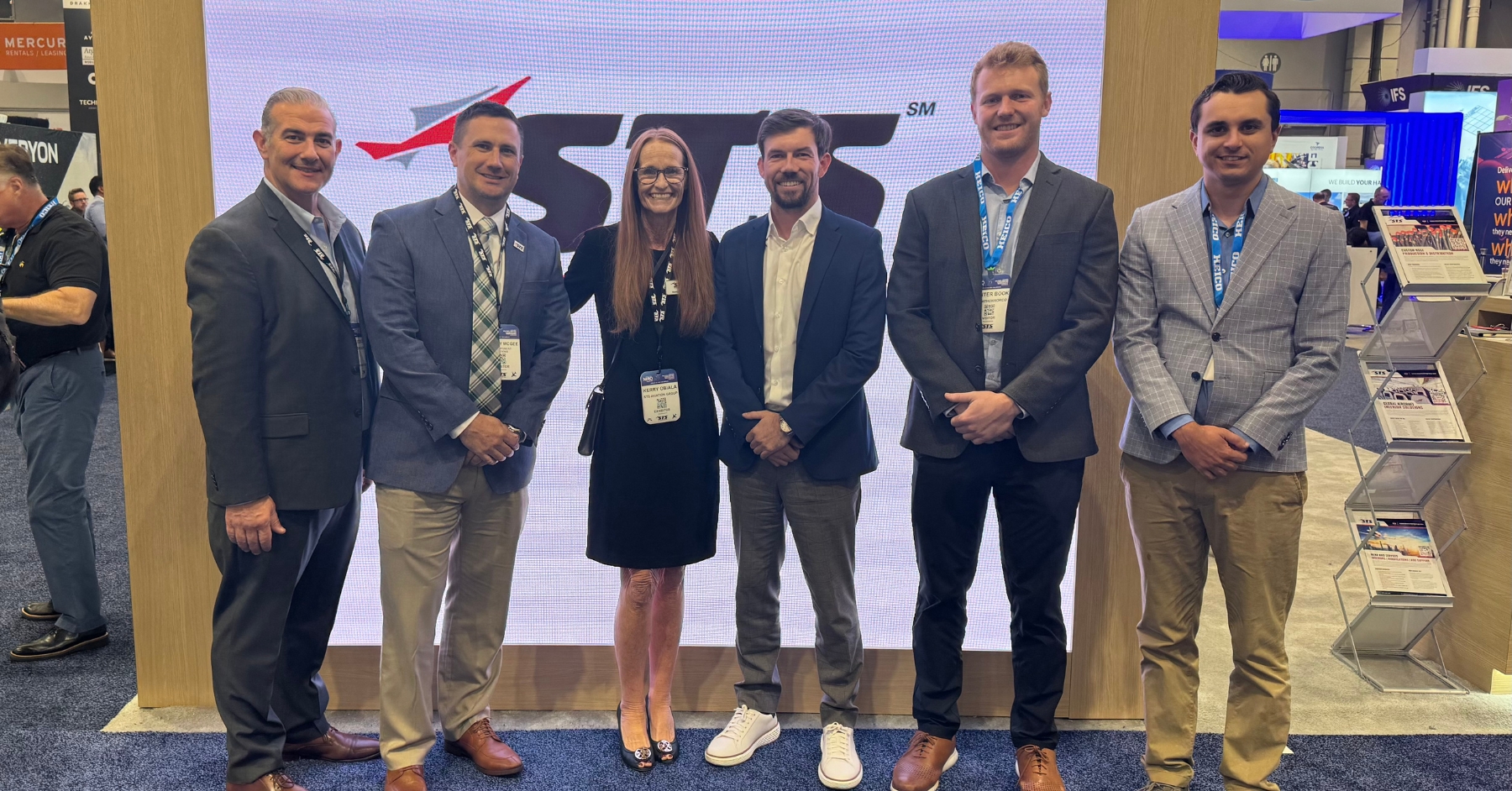
As the aviation industry prepares for MRO Americas 2026 in Orlando, Florida, STS Aviation Group is proud to once again take part in the largest gathering of commercial aviation maintenance professionals in the world. From April 21 to 23, 2026, the Orange County Convention Center will host airlines, MRO providers, OEMs, suppliers, and aviation leaders from across the globe to explore the technologies, partnerships, and strategies shaping the future of aircraft maintenance.

Visit STS Aviation Group at Booth #3510

We invite you to stop by Booth #3510 to connect with the STS Aviation Group team and learn more about the global solutions we deliver across the aviation lifecycle. From aircraft engineering and base maintenance to material services, workforce management, and global AOG support, STS provides integrated capabilities designed to keep fleets operating safely and efficiently.

Our team will be available throughout the show to discuss how STS Aviation Group supports operators worldwide with scalable, responsive aircraft maintenance solutions tailored to today’s operational realities.

Connect with the Industry

MRO Americas remains one of the most important events in aviation maintenance. It is where industry leaders gather to exchange ideas, explore new technologies, and strengthen the partnerships that keep the global aviation ecosystem moving forward. For STS Aviation Group, the show offers an opportunity to reconnect with longtime partners while building new relationships across the global MRO community.

Schedule Time with Our Team

If you are attending MRO Americas 2026, we would welcome the opportunity to meet. Reach out in advance to schedule time with the STS Aviation Group team and learn how our global capabilities can support your maintenance operations.

We look forward to seeing you in Orlando this April.

Schedule a Meeting with STS Aviation Group

Fill out the form below to schedule time with our team during MRO Americas 2026.

Connecting with Transitioning Service Members at SOF Week

If you are heading to SOF Week and starting to think about life after the military, you are not alone.

Every year, thousands of highly skilled service members reach the same moment. The mission changes. The uniform eventually comes off. The question becomes… what comes next?

That question carries weight.

At STS Aviation Group, we work with professionals who have spent their careers operating in demanding environments. Mechanics. Technicians. Engineers. Operators who understand precision, accountability, and teamwork.

That experience translates.

Our Defense team will be at SOF Week in Tampa, Florida, May 18 to May 21, 2026, and we are currently building our Department of Defense SkillBridge program designed to help transitioning service members move into meaningful civilian careers.

If you are attending the conference and beginning to explore your next chapter, come find us. We would welcome the conversation.

Whether you want to continue working with aircraft, apply your technical skills in a new environment, or simply understand what opportunities exist on the civilian side, we are here to help.

The next chapter of your career does not start when you leave the military.

It starts when you begin preparing for what comes after.

If you are a transitioning service member interested in learning more about STS Aviation Group’s upcoming SkillBridge program or aviation career opportunities, complete the form below and a member of our team will follow up.

We look forward to connecting.

Contact Our Team

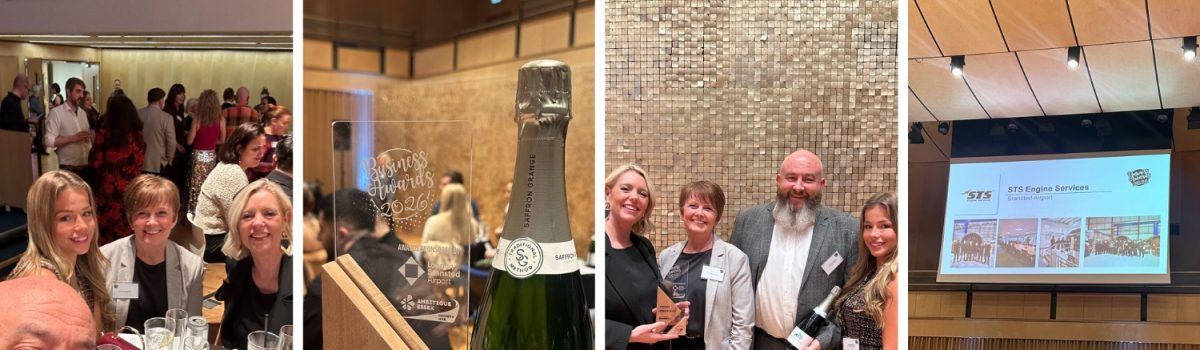
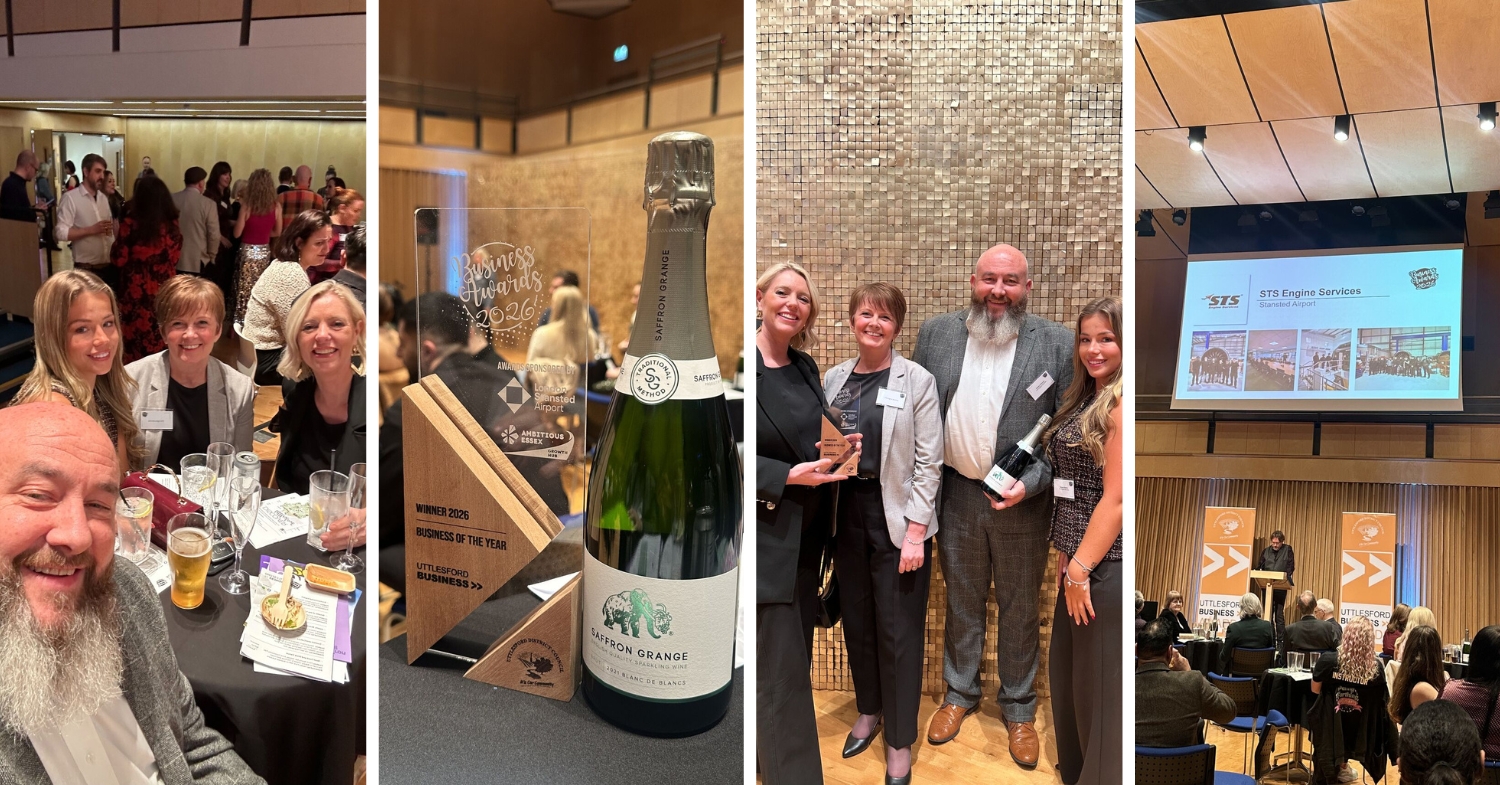
STS Engine Services Wins Business of the Year at Uttlesford Business Awards 2026

STS Engine Services Wins Business of the Year at Uttlesford Business Awards 2026

Awards are strange.

Most of the time, they feel like marketing. A logo on a slide. A handshake. A photo you post and move on from.

This one is different.

On February 26, 2026, STS Engine Services was named Business of the Year at the Uttlesford Business Awards, an annual program led by Uttlesford District Council recognizing outstanding businesses operating across the district.

The team did not just win the top award.

They were also finalists in:

  • Youth and Education
  • Commitment to Community
  • Environmental Impact

That matters.

Because Business of the Year speaks to overall performance. Being recognized across those additional categories speaks to how that performance is achieved.

STS Engine Services operates in one of the most demanding sectors in aviation. Aircraft engines require precision, discipline, and consistency. The work is technical. The margin for error is zero. Standards are not optional.

But this recognition was not limited to technical capability.

Finalist status in Youth and Education reflects active investment in developing future talent. Commitment to Community acknowledges engagement beyond the hangar floor. Environmental Impact recognizes efforts to operate responsibly within the aviation industry.

That is not marketing language.

That is culture expressed through action.

Business of the Year is not handed out lightly. It is earned through sustained performance and visible contribution within the local business community.

To the engineers, technicians, apprentices, planners, and leaders at STS Engine Services, this belongs to you.

You did the work.

And the community saw it.

Congratulations!